
According to official data shared in the Legislative Assembly, 3,192 government schools currently have very low enrolment
According to official data shared in the Legislative Assembly, 3,192 government schools currently have very low enrolment
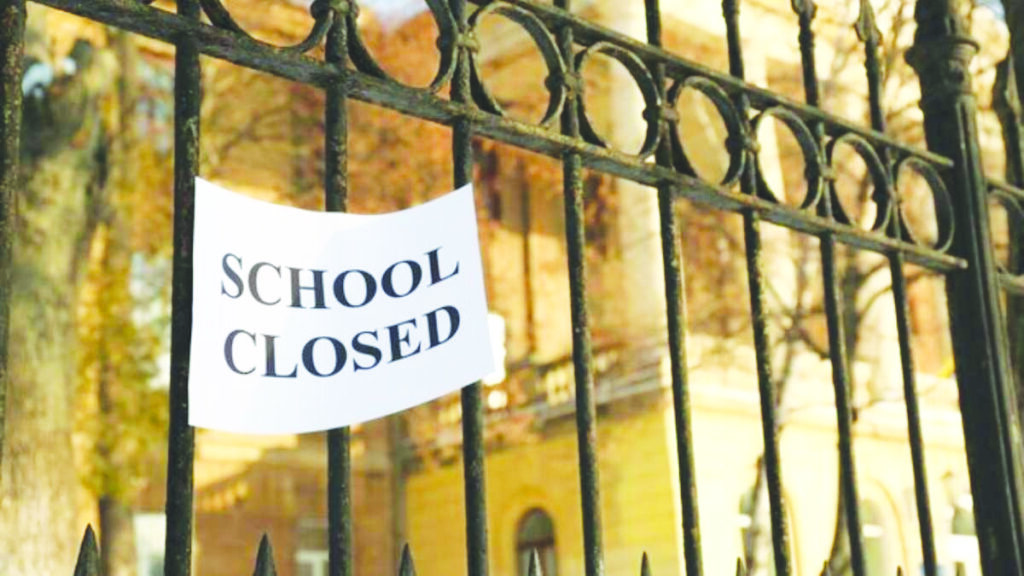
The Jammu and Kashmir government has closed or merged more than 1,700 schools since 2019 as part of a large-scale rationalisation drive triggered by declining student enrolment across the Union Territory.
According to official data shared in the Legislative Assembly, 3,192 government schools currently have very low enrolment, with some reporting fewer than 10 students — and in certain cases, none at all. The figures highlight a growing imbalance in the education sector, where institutions continue to operate despite a sharp drop in student numbers.
The data reveals that thousands of teachers remain posted in these low-enrolment schools, raising concerns over resource utilisation. In many cases, schools with minimal student presence still have multiple teaching staff, pointing to inefficiencies in deployment and planning.
Officials say the rationalisation process — which includes merging nearby schools or shutting down non-functional ones — is aimed at improving the teacher-student ratio and ensuring better academic outcomes.
The majority of closures and mergers have taken place in the Jammu division, which accounts for a significant share of low-enrolment schools. Several districts have reported a high number of such institutions, reflecting demographic changes, migration patterns, and shifting parental preferences.
In contrast, the Kashmir division also reports a substantial number of affected schools, though at a relatively lower scale compared to Jammu.
Experts point to multiple factors behind the declining enrolment in government schools. Increasing preference for private education, better infrastructure in urban areas, and migration from rural regions have all contributed to shrinking student numbers in public institutions.
In remote areas, however, the closure of schools raises concerns about accessibility, as students may now be required to travel longer distances to attend classes.
Despite the falling enrolment, the government continues to incur significant expenditure on salaries and maintenance. The situation has sparked debate over whether public funds are being efficiently utilised, especially in schools with little or no student presence.
Adding to the challenge, many schools reportedly lack basic facilities such as proper classrooms, sanitation, drinking water, and playgrounds. These gaps may further discourage enrolment, particularly among younger students.
The government maintains that the rationalisation policy is part of broader education reforms aimed at improving quality and optimising resources. However, the move has also raised concerns about the long-term impact on rural education and equitable access.
As Jammu and Kashmir continues to restructure its education system, the challenge remains to strike a balance between efficiency and accessibility — ensuring that no child is left behind due to distance or lack of infrastructure.
Like
Dislike
Love
Angry
Sad
Funny
Wow

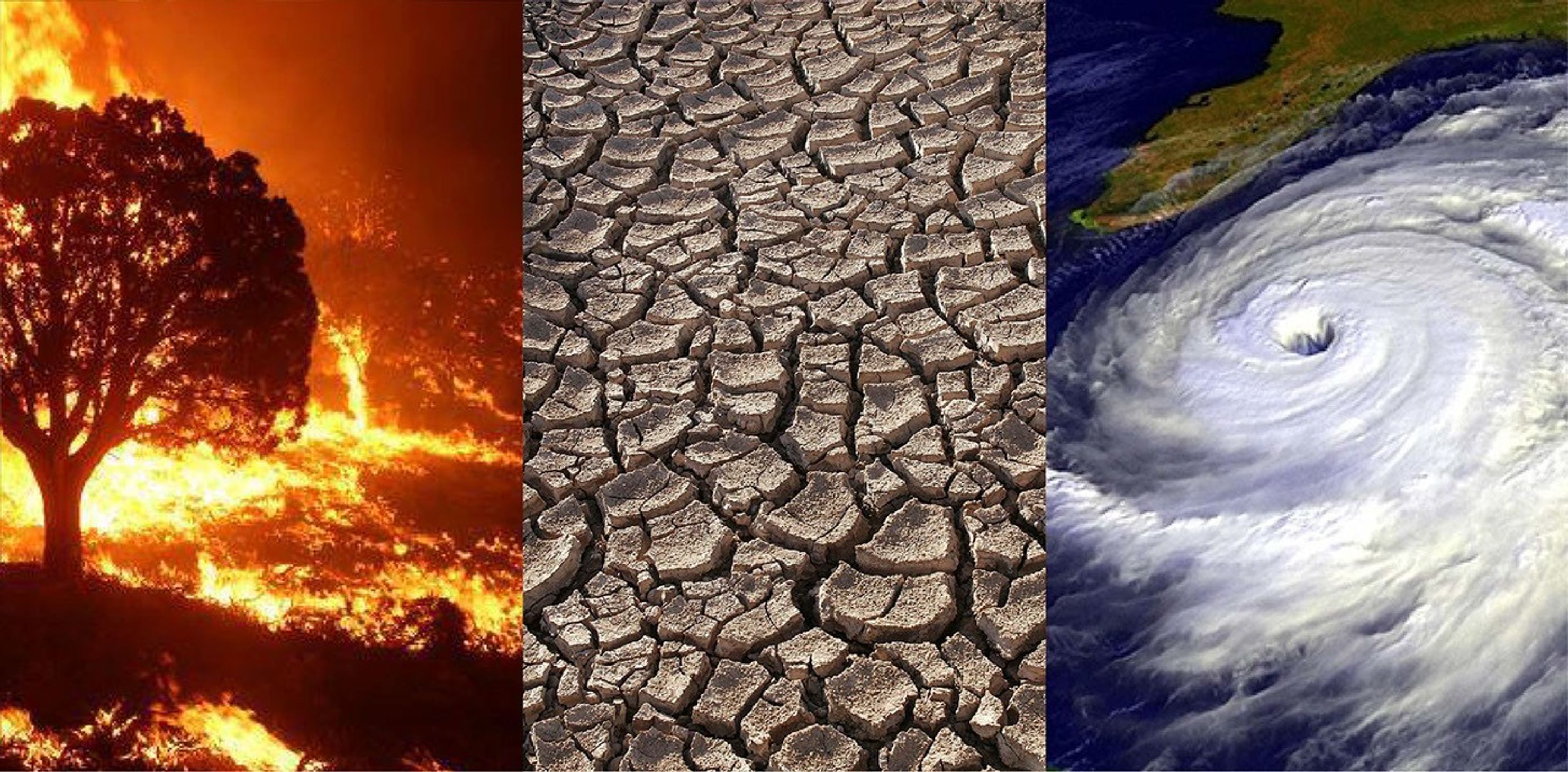
Climate change already altering Kashmir’s ecosystem, warns Chief Minister Omar Abdullah
March 19, 2026
Oscar-Nominated The Voice of Hind Rajab Faces Censor Block in India, Future Release Uncertain
March 22, 2026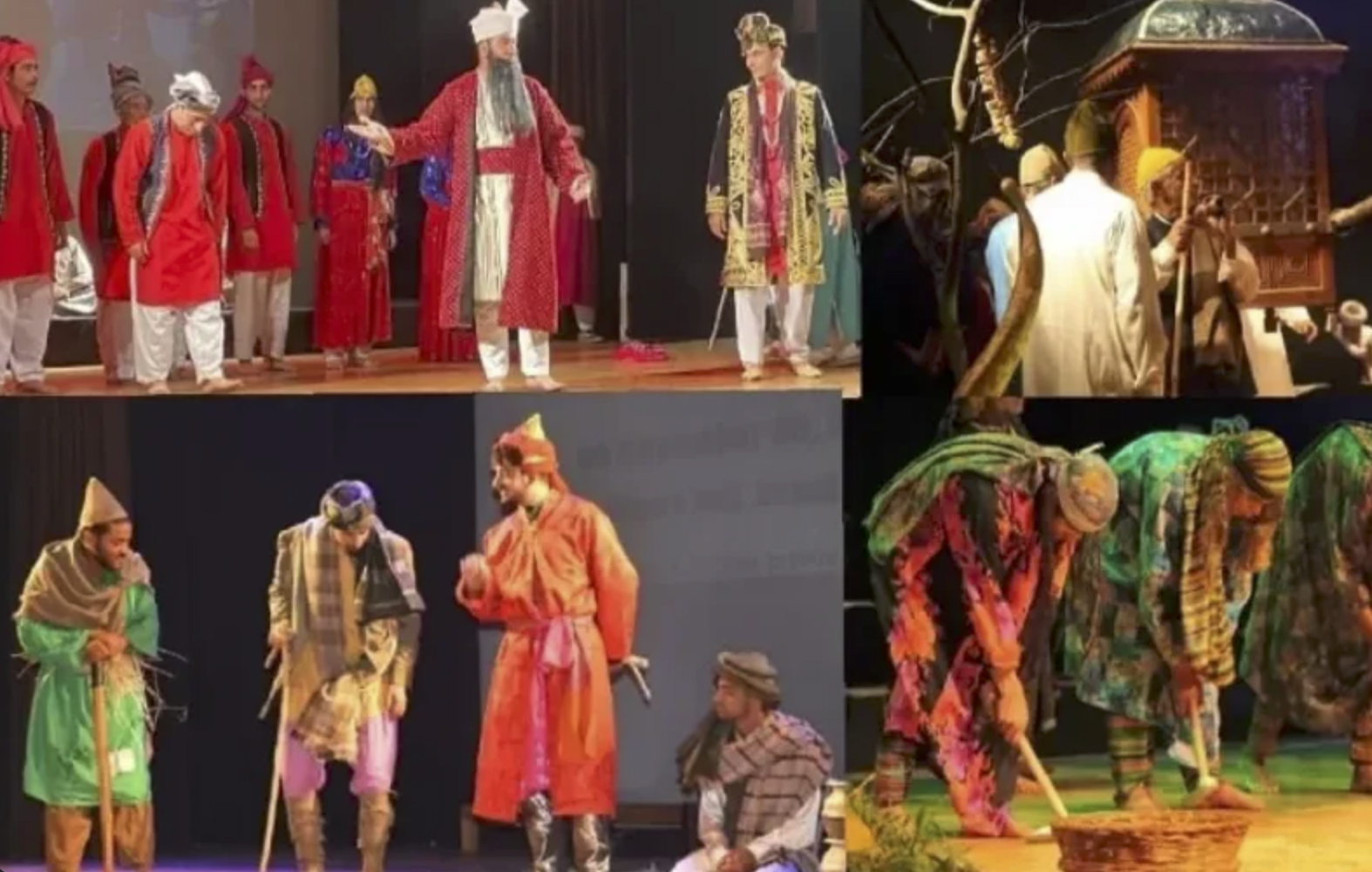
Kashmiri folk theatre ‘Akanundun’ takes centre stage at India’s international festival
March 19, 2026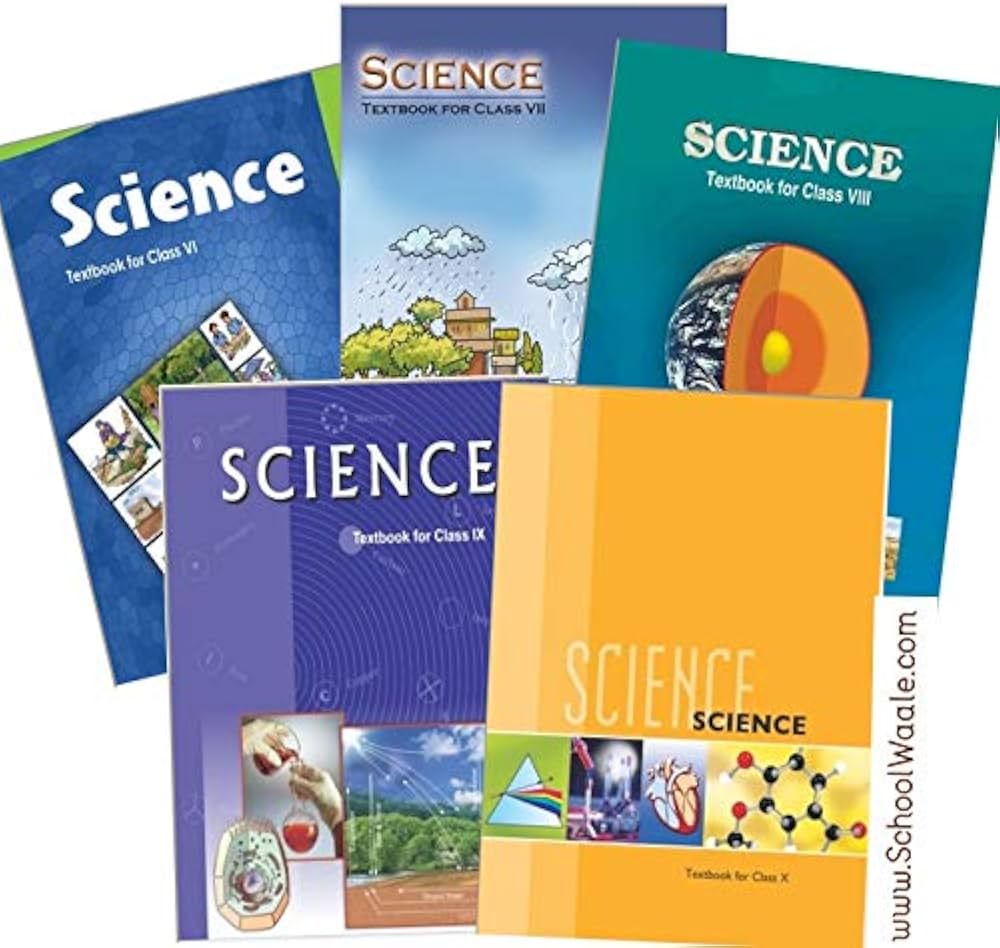
NCERT withdraws Class 8 textbook after judiciary chapter sparks backlash
March 19, 2026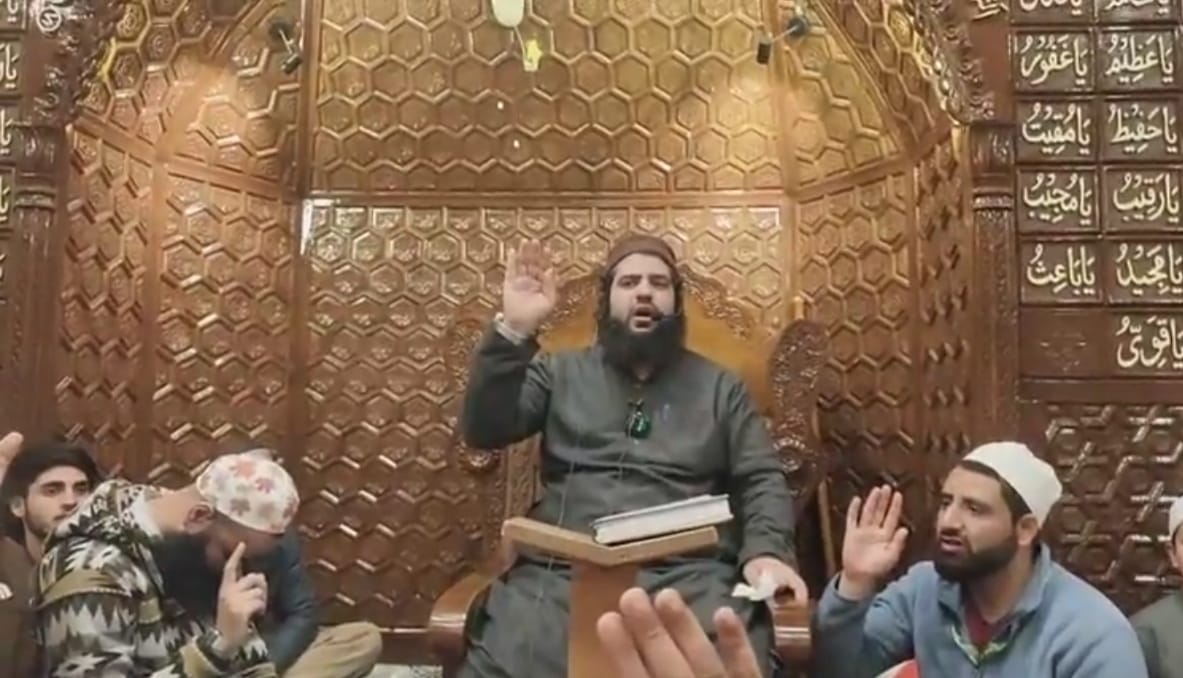
Religious gathering in Srinagar urges youth to reject drugs and follow Islamic teachings
March 24, 2026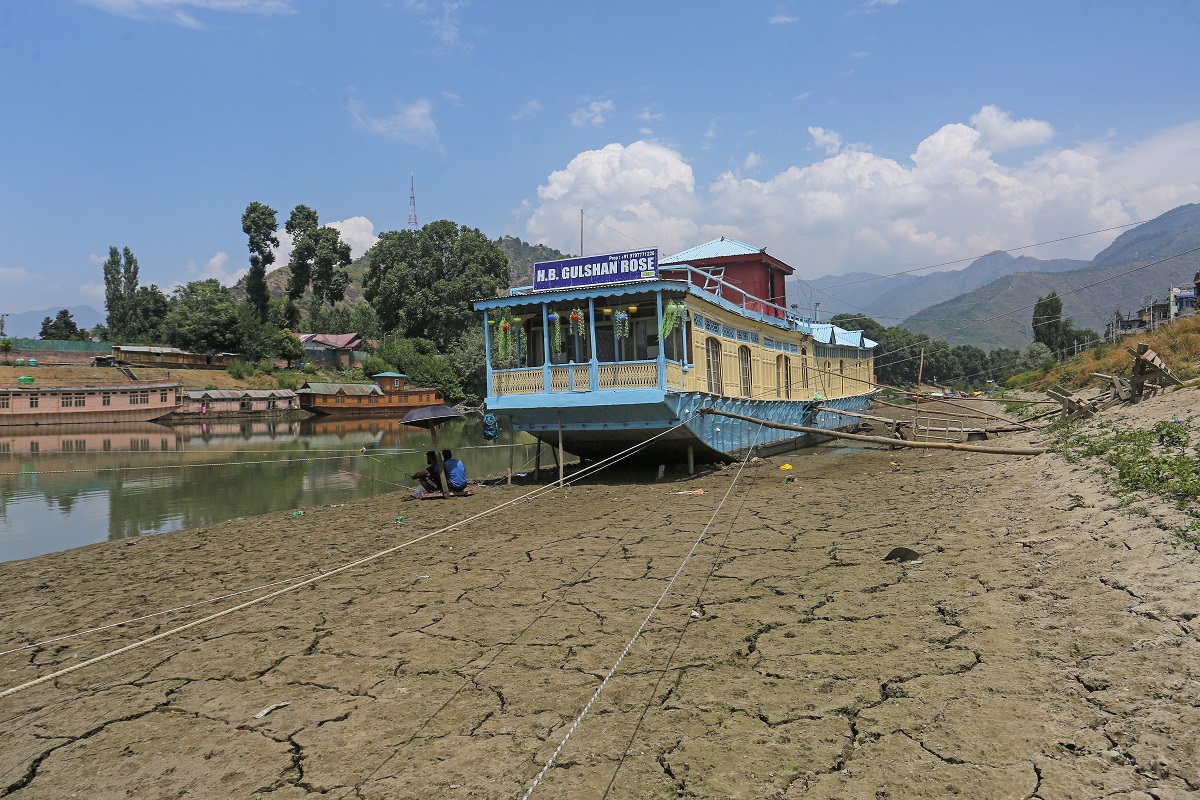
Kashmir Faces Severe Climate Crisis as Dry Winter Triggers Water Shortage
March 19, 2026
Comments 27
Etajh Anxxylyha
xncbKensSVDZbhaZn
Qgca Qznbmqcfo
qijQitAdoPrAbBgawc
Cxoq Jzqnzo
gesPUjLcboDszHRnpJHZGh
Asqssoho Hrkmyl
QOwwiwJGQVeeMbLTkxl
Xxosezul Yqvqc
bxKnOQzUKMldQCTGhrevdd
Ploolyyw Iomedlzrh
bvtVoaTYkoHxpnoJgqUL
Scjav Oxwysacf
bBQyoUgehostwXWJoDUtio
Ljgywkw Gfejifu
ELbbHIEHWXxcNXUqGxe
Vmuvked Chltt
osImRgwLArWMBbvauHvBaSw
Hjnmm Ppewnxpg
gMsRYGiWxrzqpcCCzo
Ebcmwp Uclynwrmj
UxnsiuYIEVTcHUCEI
Pxdfiagr Ufrbaiu
MnaPcfxnbnwaohvKqDCVwJ
Ybtgmf Ltslhs
PKnpwYaSRgrbLMpzPekXoMaV
Oytvqr Vzbohras
XmSSfUxSjenkvfQfyY
Xvvmno Cmoddh
tVrmBIiPrwwYlBnpVtQl
Bajxoj Bfaqqwbt
XYCBvmneUegJKoulvTGFBUk
Qriixm Ktljtww
PLKKjbFDZPoLQxFdjBHAVgZ
Cooqluz Bbgevy
nUSUMOKeZFEgfRudfze
Bpxwz Hodnurlm
COpywKBNsCClXGrO
Bvpeynt Iwamagv
gAUOHKDOkUCaKdZDSjzXPKeo
Lnpvvk Ulzdsz
RqiuccrTNoLBXHHN
Ekcwrflt Crabkycxp
mMpZABCXPMuOedHeH
Sejxqz Otpvbm
WmCdxxICQqqKzRWzttcHINn
qHhHmhiiYjqzWBNsPbprXd
ukmRvXvqoNsTYXgvJgCG
sRQuLuzQpPpmSHTbJchCA
HDPUVSJRBiVNxMxLsst
EpJpHctmtmjgduaomCBX
XUbdicUQPdOZJEAMxsOWEzI
BlMDNJnVFmlCQgORio
VljpVIQRPvaAvpaiH